4,320 m² Steel Structure Warehouse Project in Bolivia
A completed steel structure warehouse project in El Alto, Bolivia, developed for product and timber storage. The project covers 4,320 m² and uses a portal-frame steel structure with Q355B primary steel, insulated roof and wall systems, and electric roller shutter doors.
From structural engineering and factory fabrication to export delivery and local installation, this project demonstrates our experience in supporting overseas steel warehouse developments.
Request a Similar Warehouse SolutionBolivia 4,320 m² Steel Structure Warehouse Project
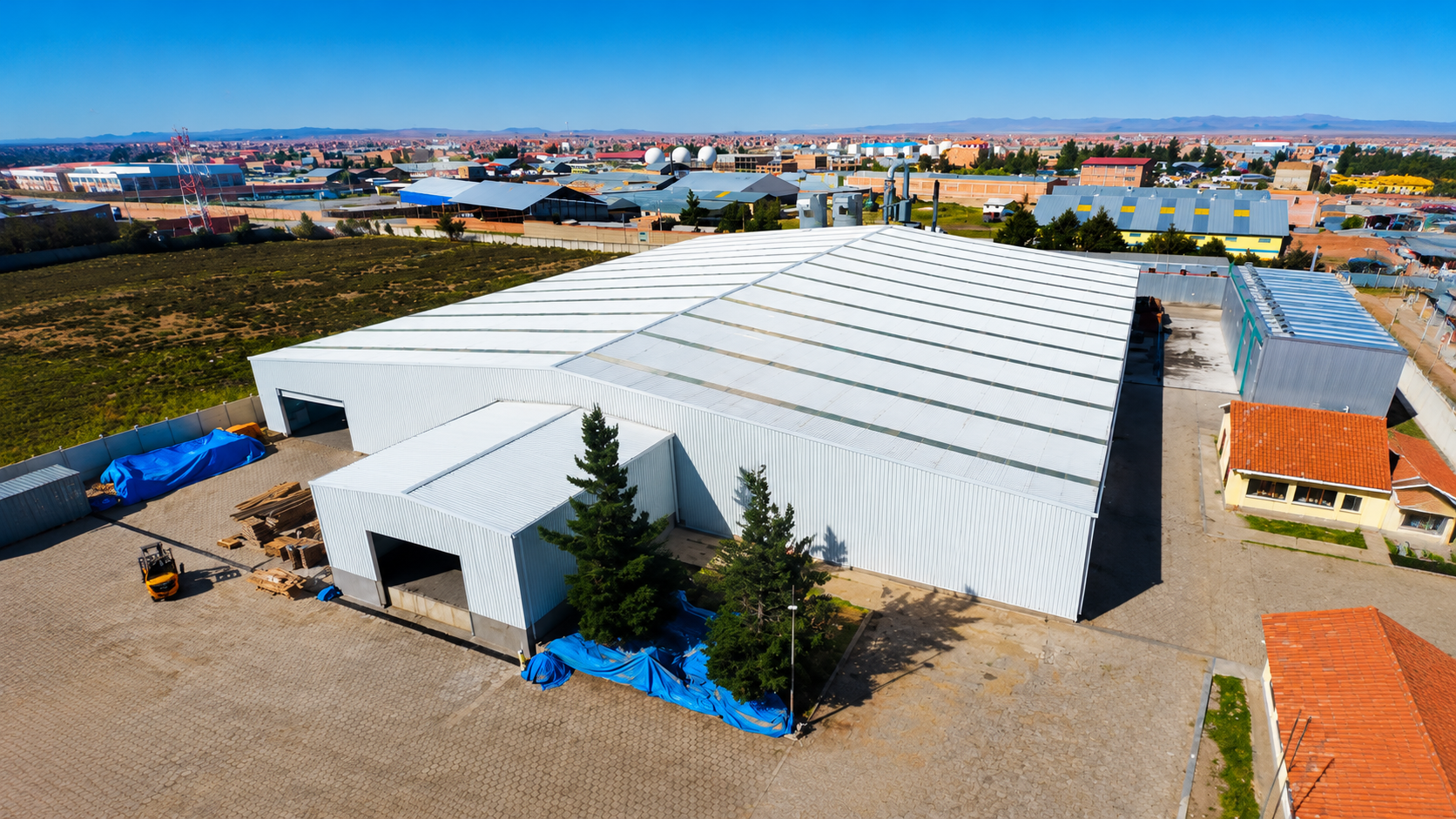
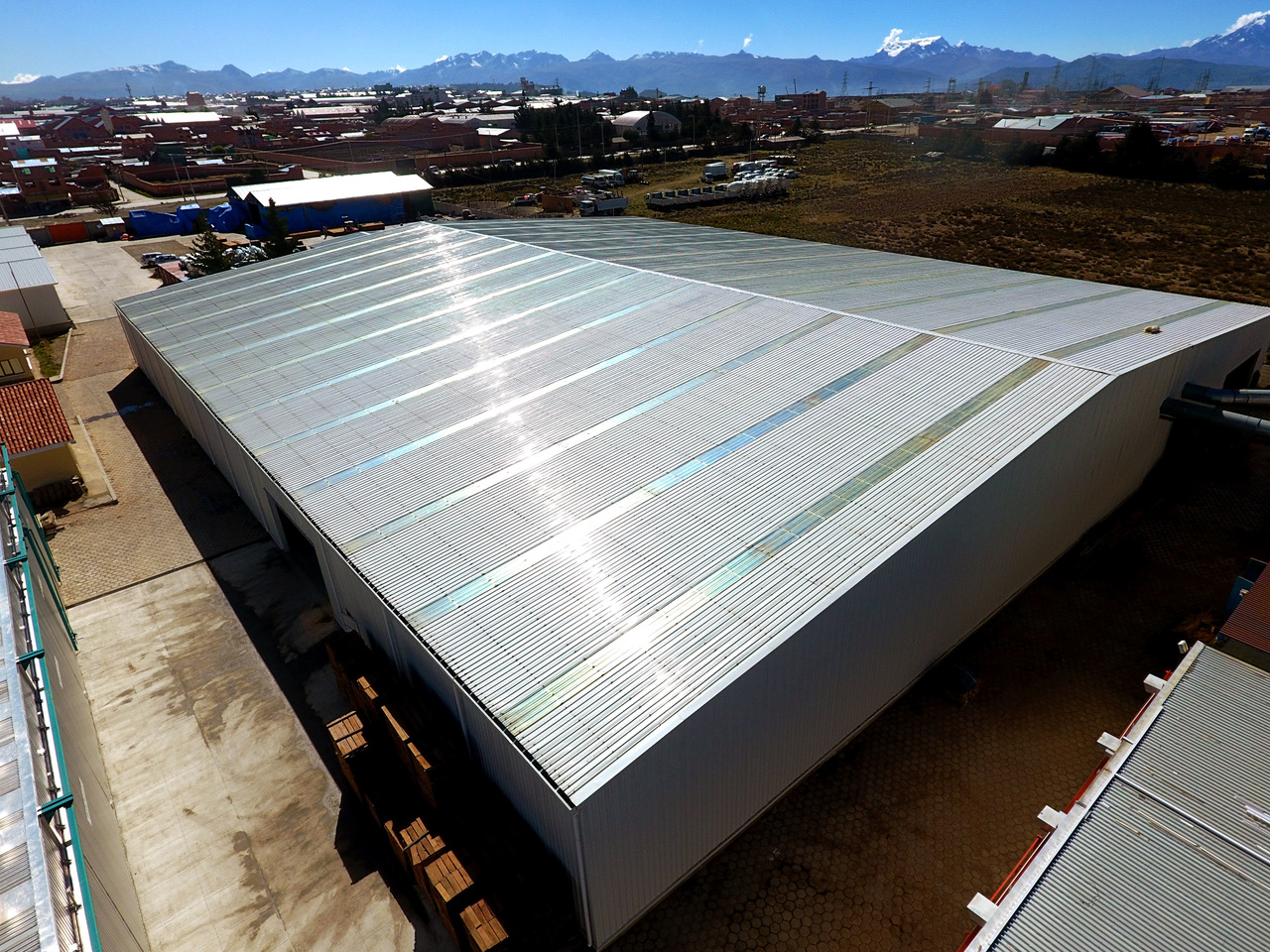
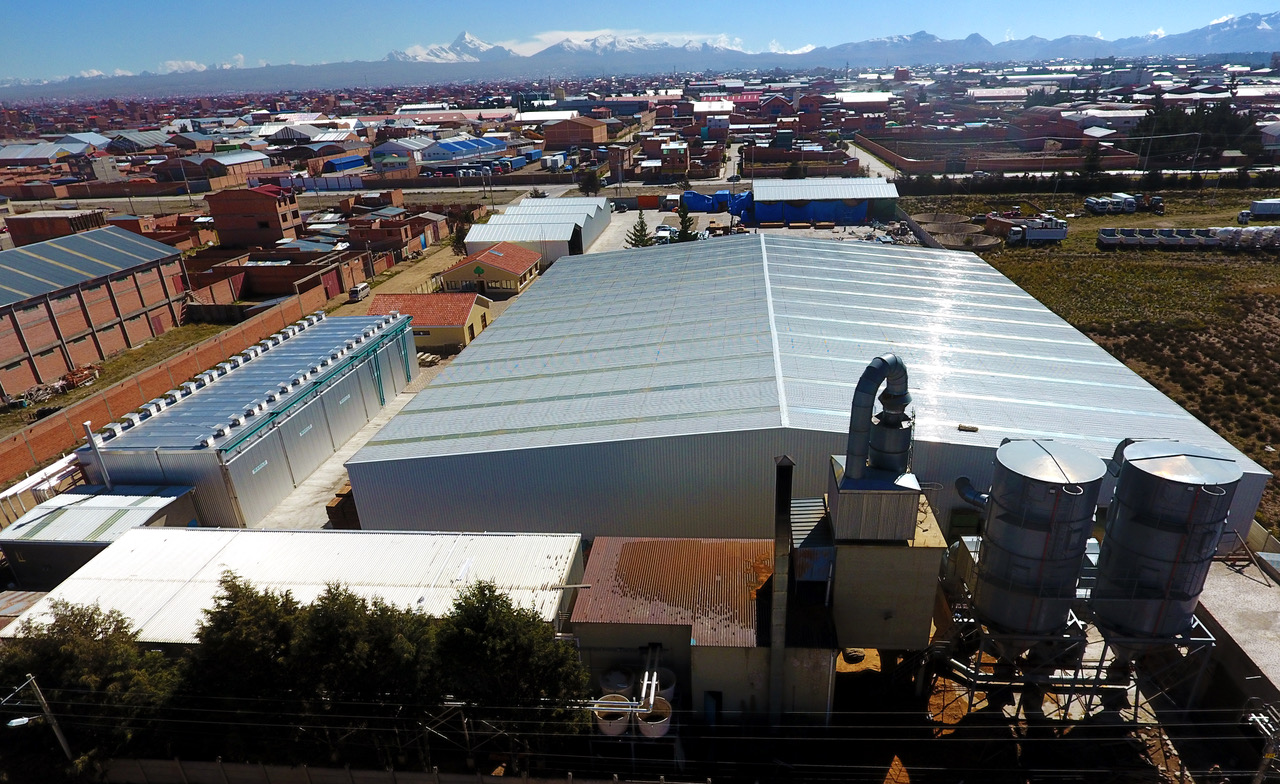
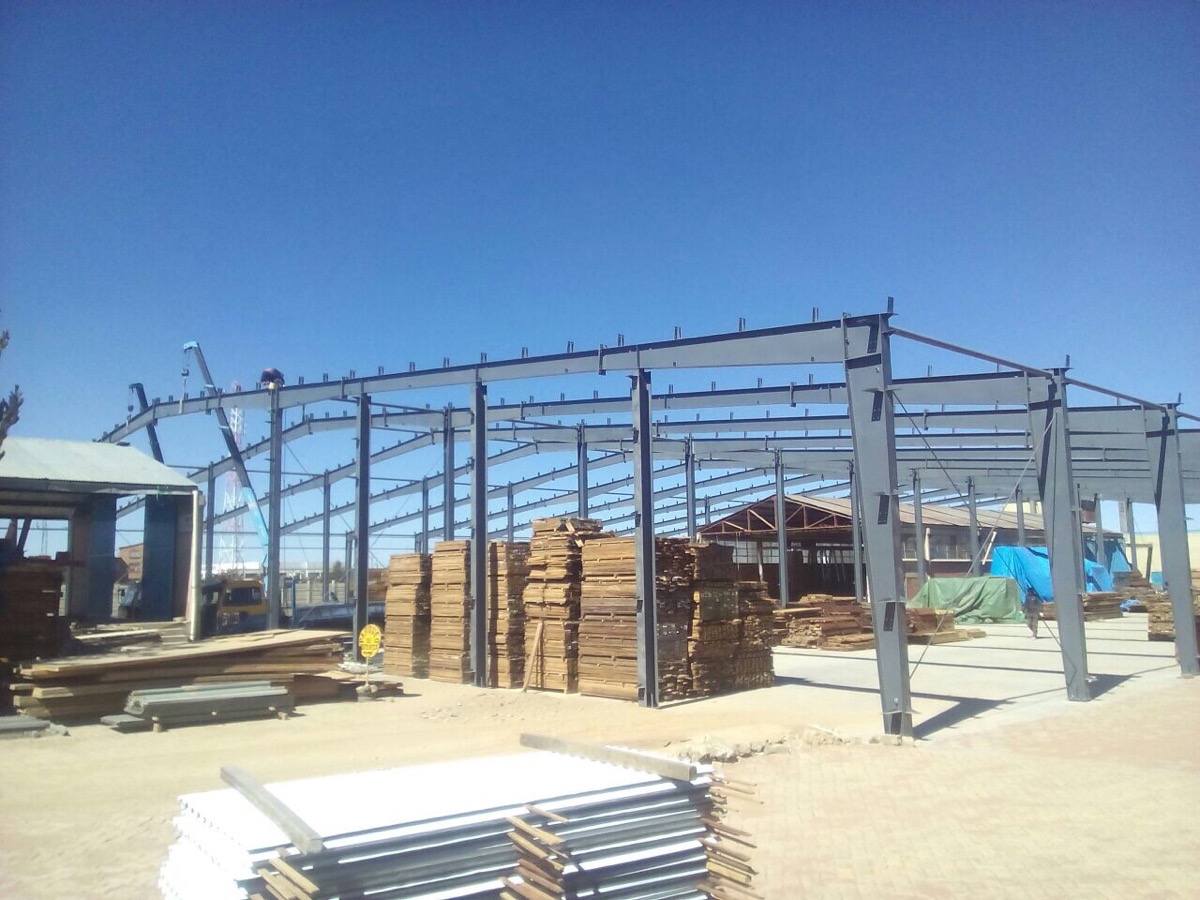
La Vitalicia Warehouse Project — El Alto, Bolivia
Confirm these specifications with our sales engineers and get a firm quote for your exact dimensions.
Discuss a Similar Warehouse ProjectTechnical Specifications of the Bolivia Warehouse
The La Vitalicia warehouse was configured as a portal-frame steel structure for dedicated product and timber storage. The following specifications are based on the recorded project information.
| Building Area | 4,320 m² |
| Dimensions | 72 m × 60 m |
| Eave Height | 6 m |
| Ridge Height | 9 m |
| Structural System | Portal Frame Steel Structure |
| Main Columns | Welded H-Section Steel |
| Main Beams | Welded H-Section Steel |
| Primary Steel Grade | Q355B |
| Secondary Steel | Q235B Steel Pipe and Q235B Round Steel |
| Frame Spacing | 6 m |
| Roof System | Double-Layer Color-Coated Steel Sheets with Glass Wool Insulation |
| Wall System | Double-Layer Color-Coated Steel Sheets with Glass Wool Insulation |
| Doors | 4 Electric Roller Shutter Doors |
| Door Sizes | 1 × 6 m × 4 m 、 3 × 8 m × 4 m |
| Windows | None |
| Additional Systems | Gutters, Rainwater Downpipes and Roof Daylighting Panels |
Send us your building's length, width, eave height, and local wind/snow conditions, and our engineers will return an exact quotation with structural drawings at no cost.
Production Process
Every steel component moves through six controlled stages on our own production lines, so each frame, purlin and plate leaves the factory to the same verified standard.
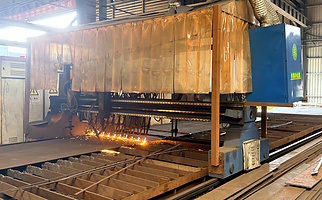 Step 01
Cutting
Build Up
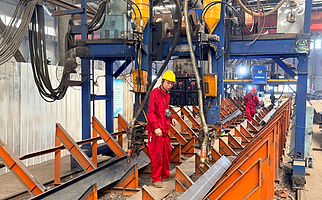 Step 03
Submerged Arc Welding
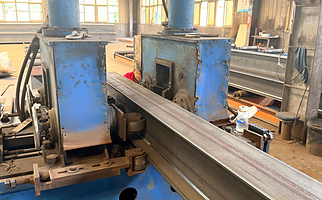 Step 04
Straightening
Fitting Up
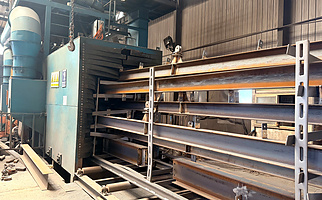 Step 06
Sandblasting
Every stage is completed in-house on our own lines, with full traceability from raw steel to finished component.
Ask About Our Production CapacitySteel Component Fabrication for the Bolivia Warehouse Project
The following project photos show steel components fabricated and prepared for the 4,320 m² La Vitalicia warehouse project in Bolivia. The primary steel structure used welded H-section members, together with fabricated connection plates and secondary steel components required for the building system.
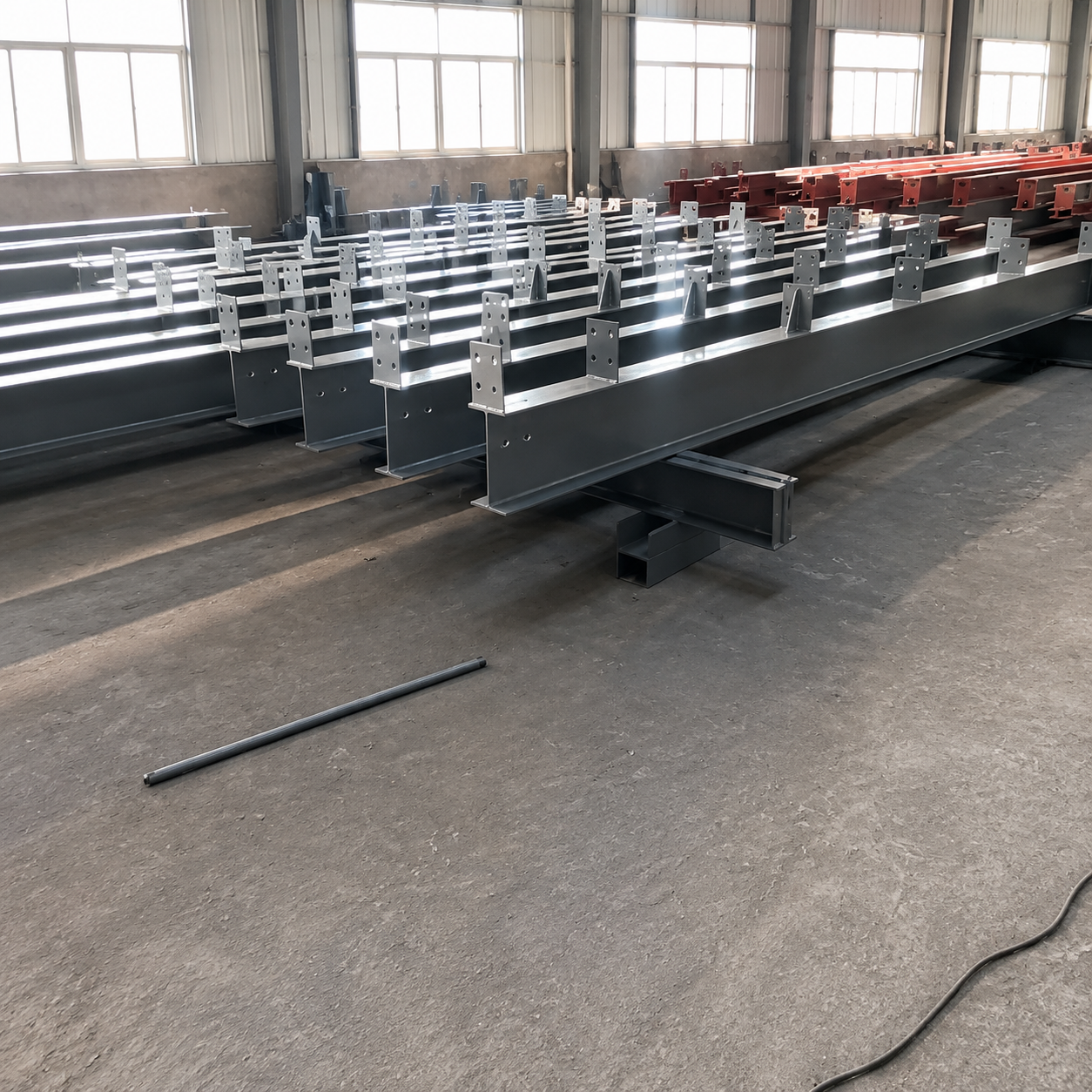
Finished Primary Steel Components
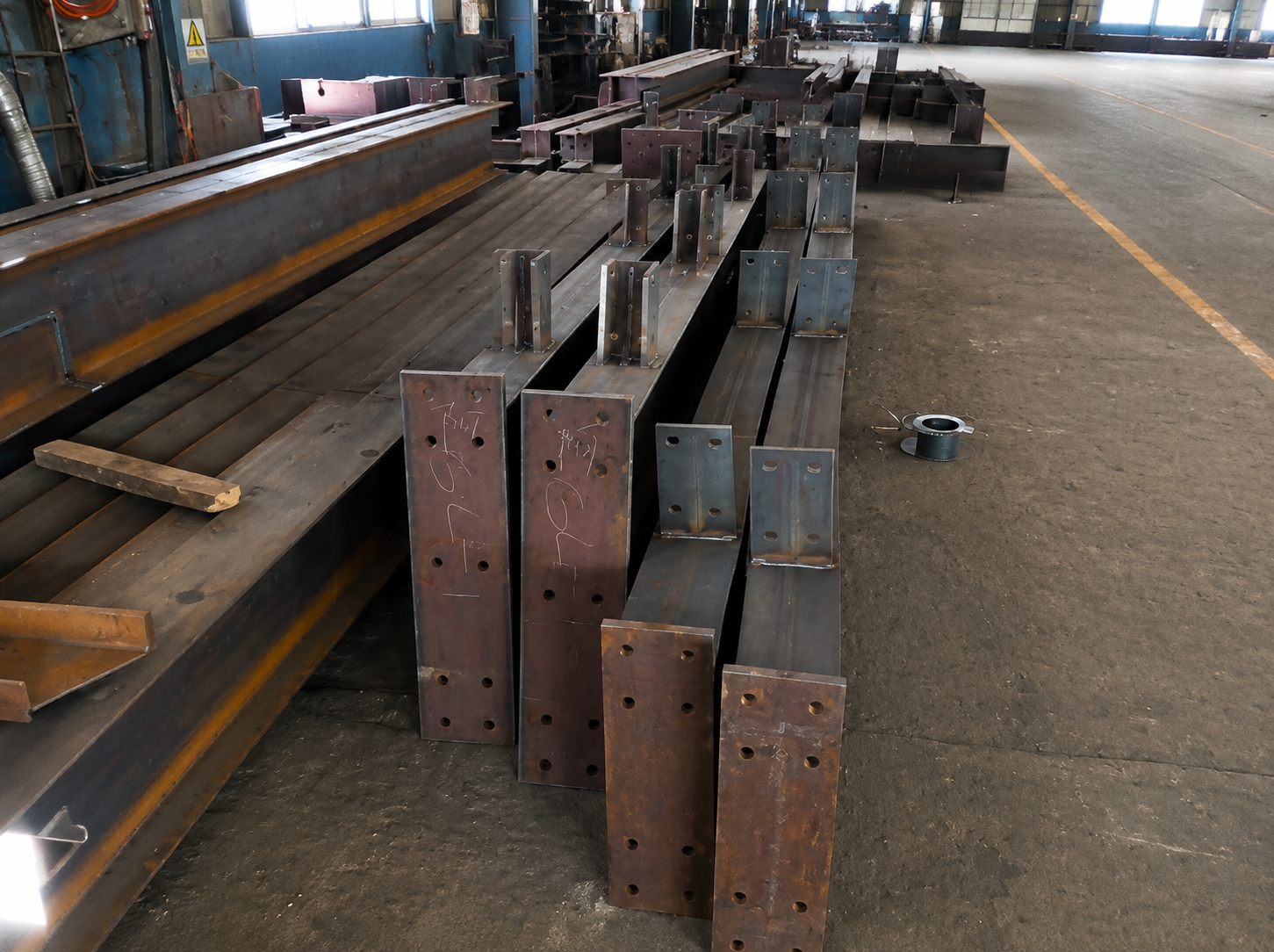
Welded H-Section Structural Members
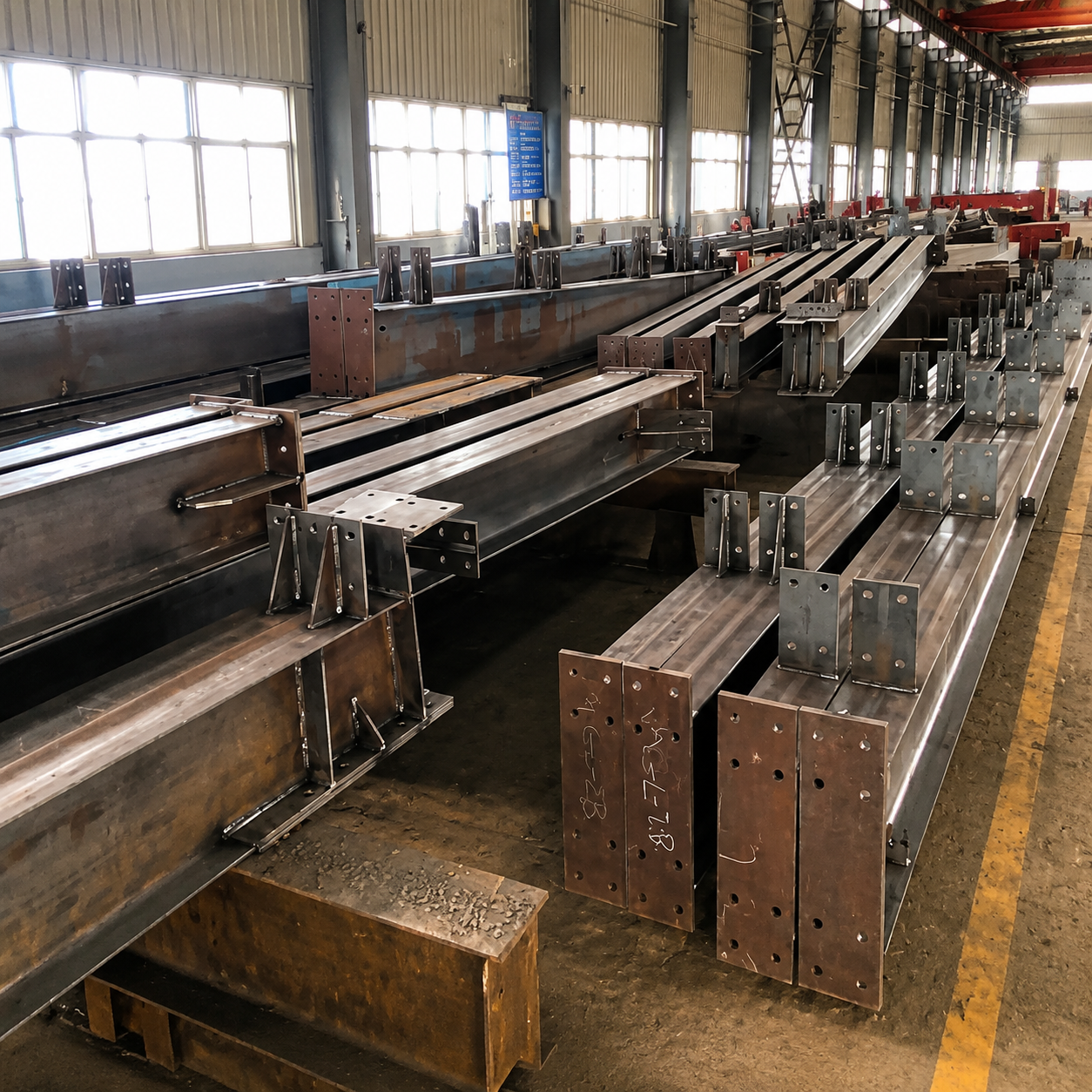
Connection Plates and Structural Details
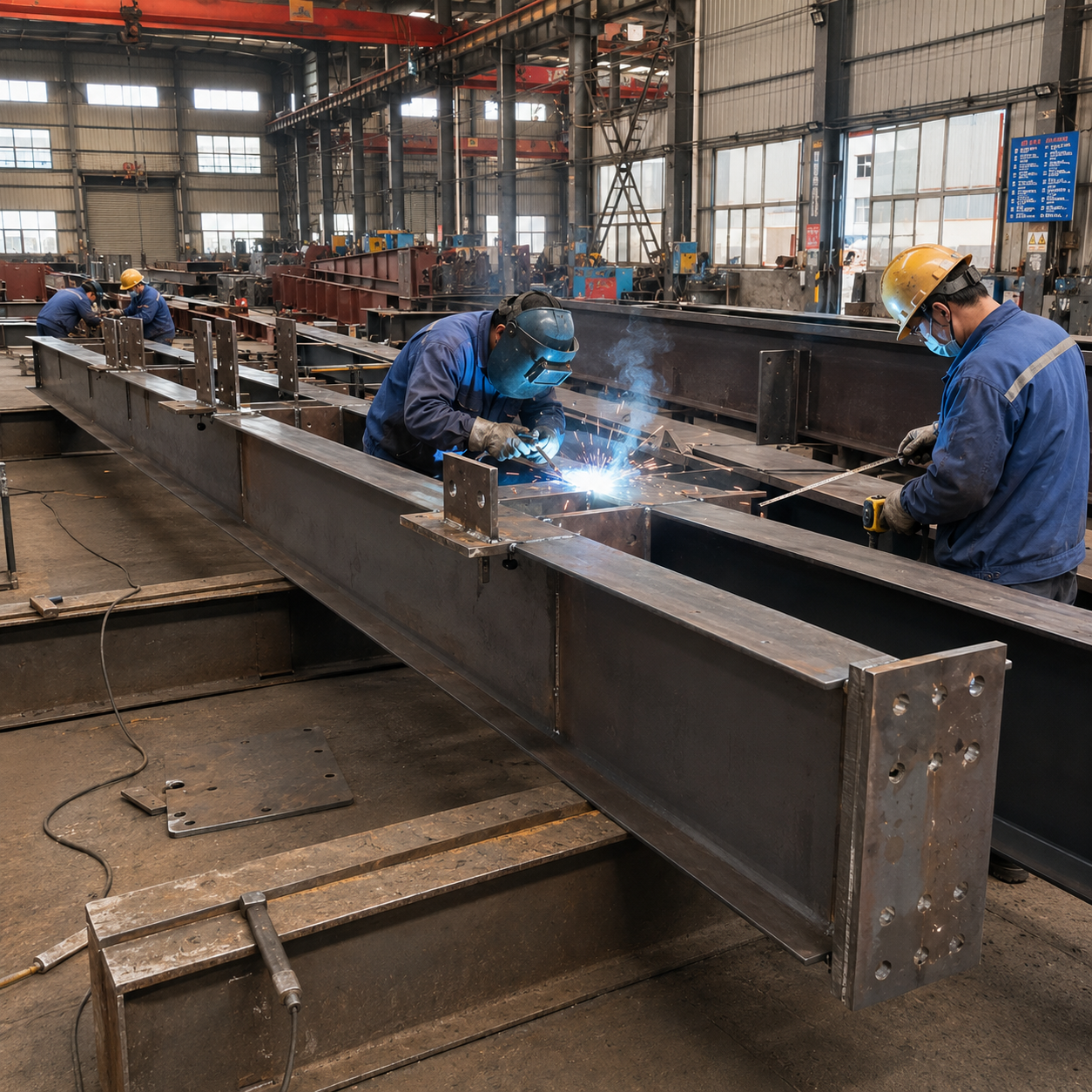
Steel Members During Fabrication
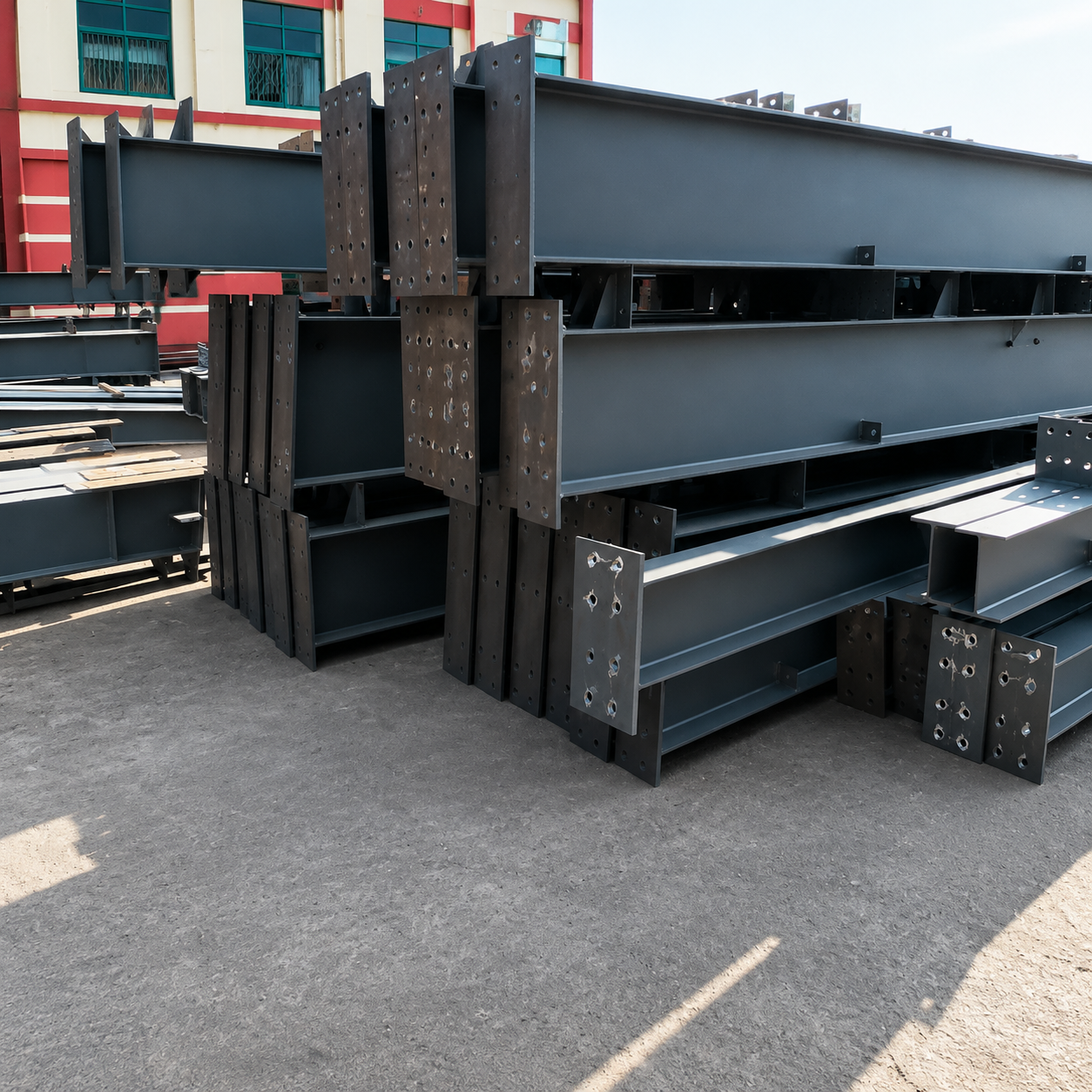
Fabricated Components Ready for Inspection
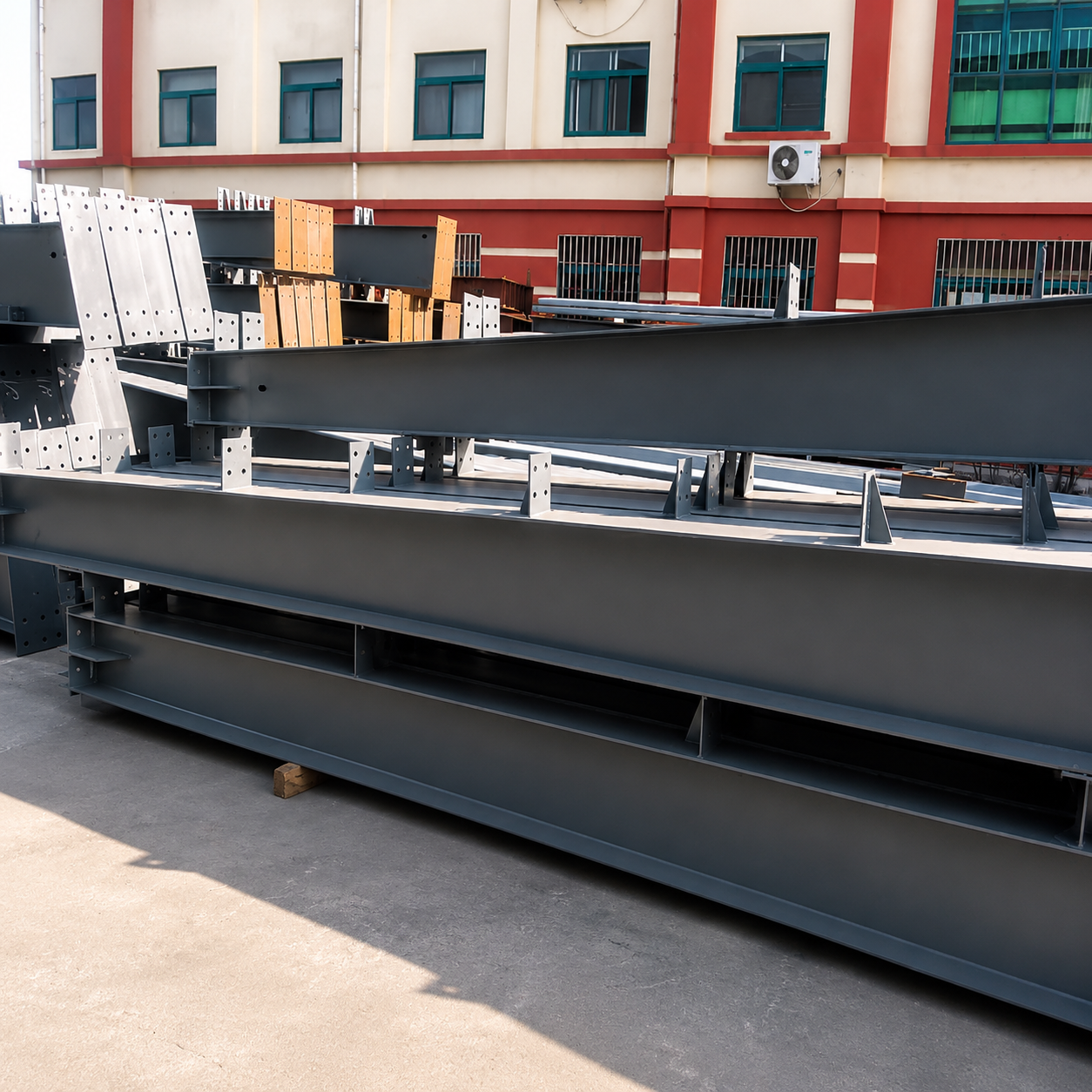
Steel Components Staged for Packing and Shipment
These project-specific fabrication photos provide a closer view of the steel components behind the completed Bolivia warehouse, connecting the engineering specifications with the actual factory manufacturing process.
Planning a warehouse with similar structural requirements? Share your project dimensions and location with our team.
Discuss Your Structural RequirementsKey Building Systems Used in the Bolivia Warehouse
The La Vitalicia warehouse combines a welded H-section primary frame with secondary steel components, insulated roof and wall systems, and dedicated drainage and daylighting provisions.
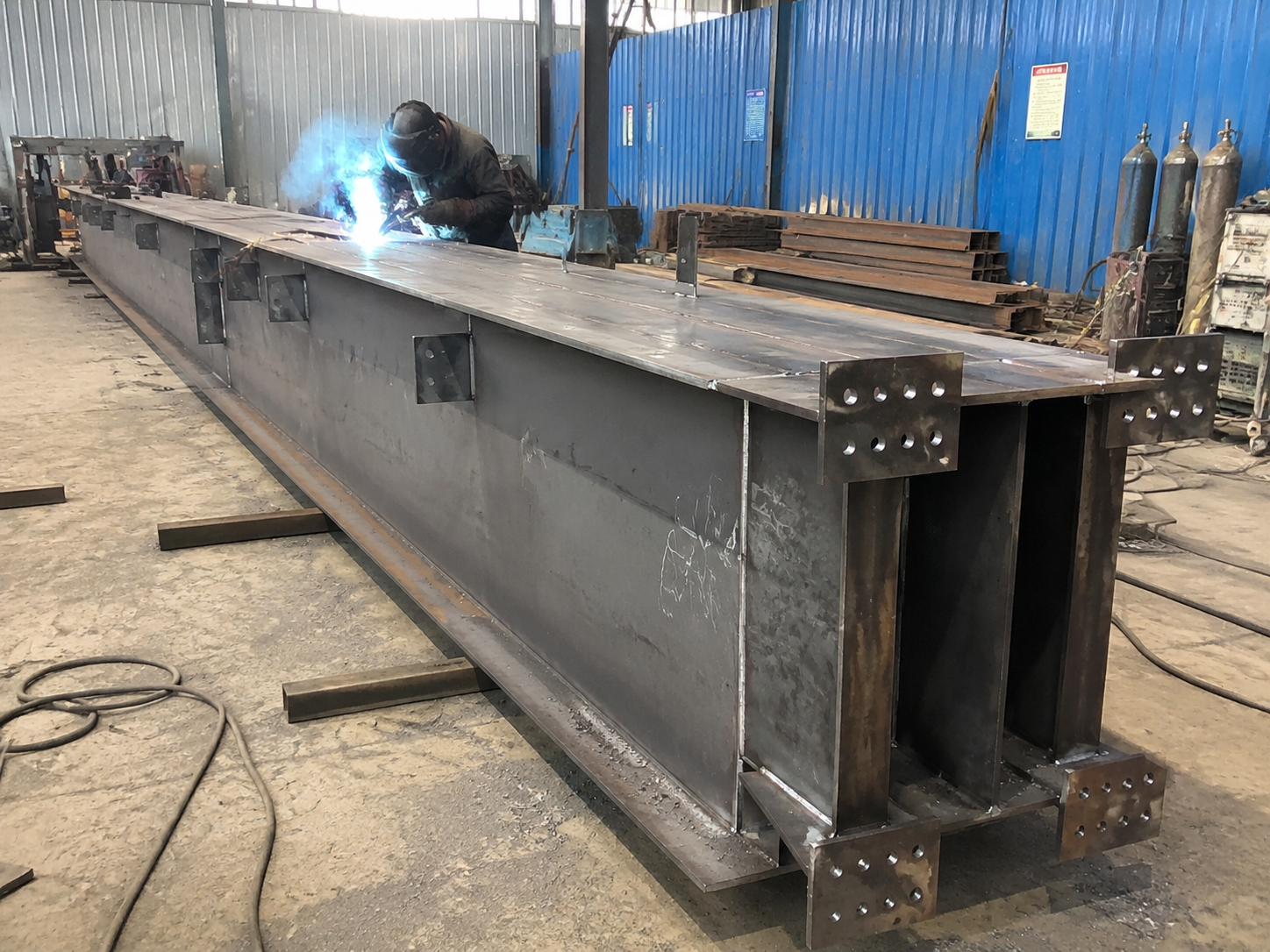
Welded H-Section Main Frame
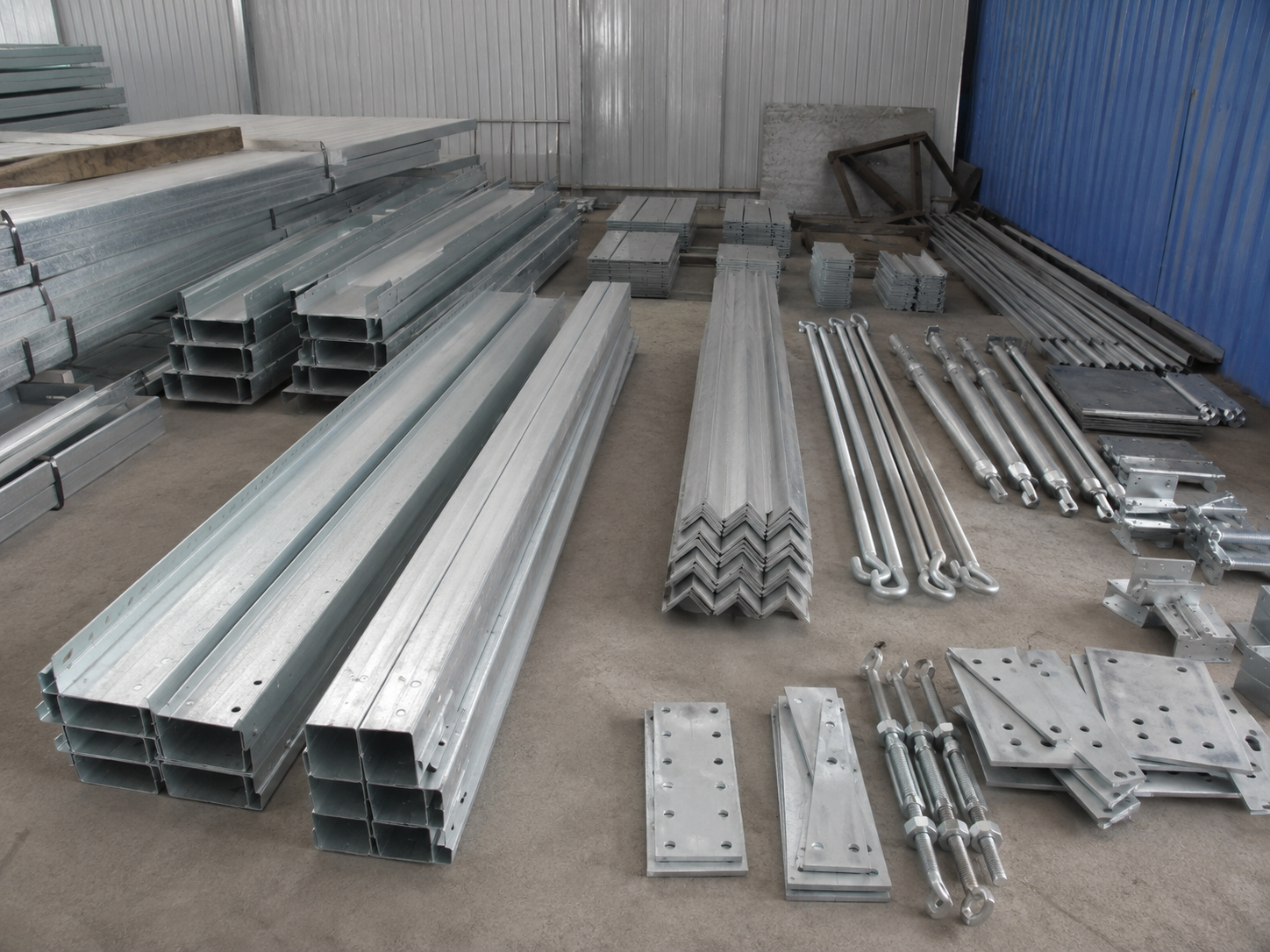
Secondary Steel Components
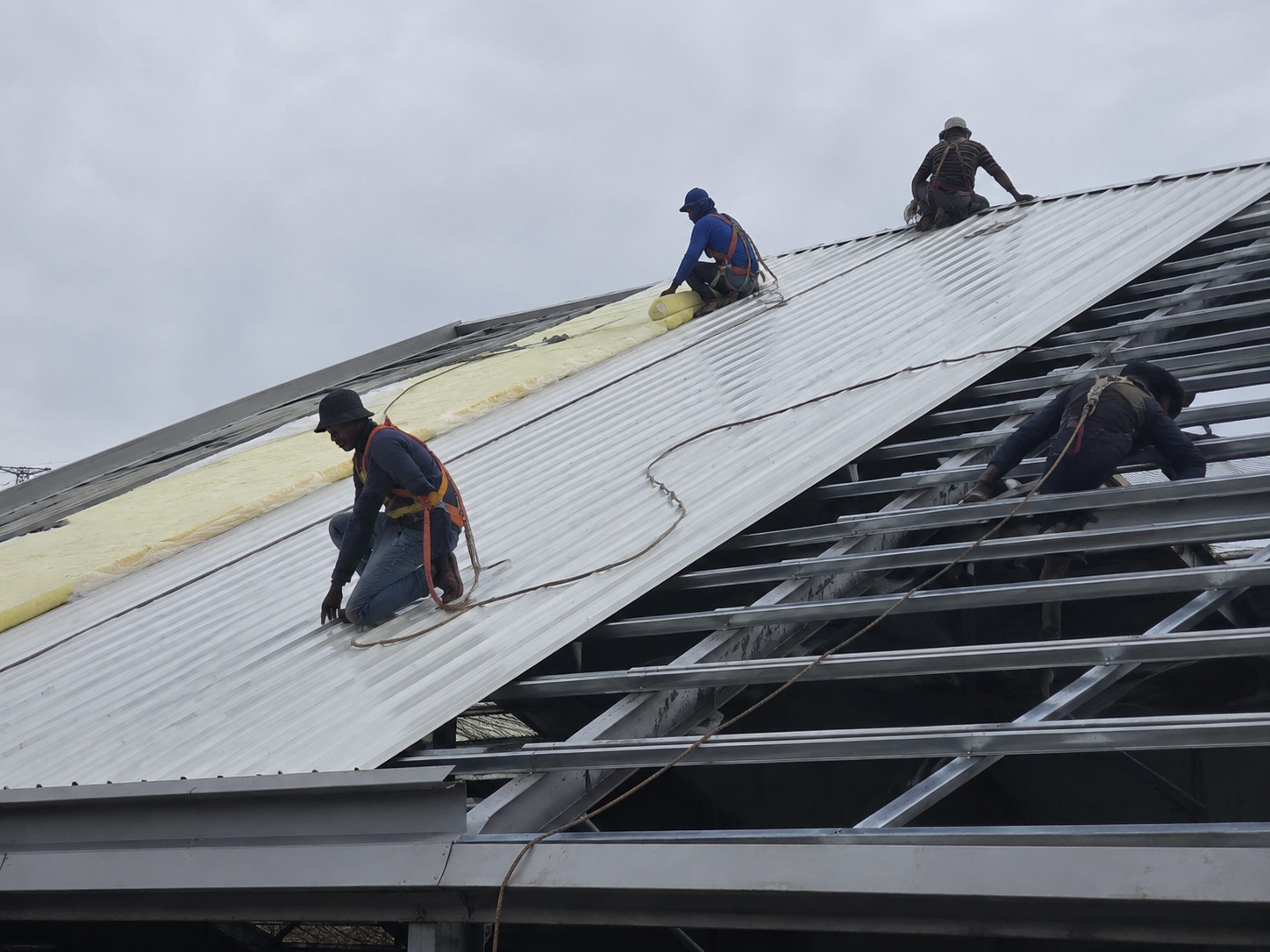
Insulated Roof System
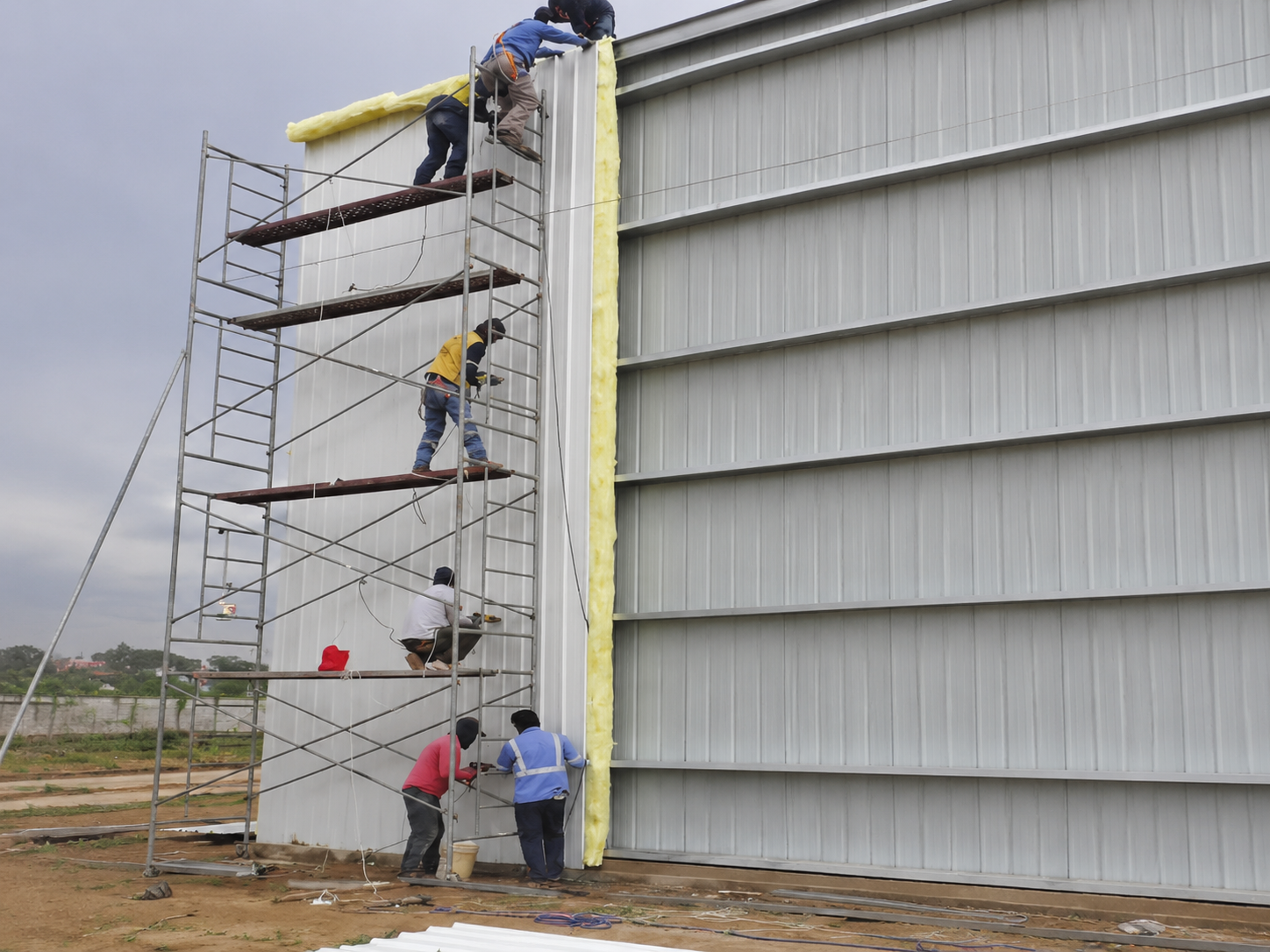
Insulated Wall System
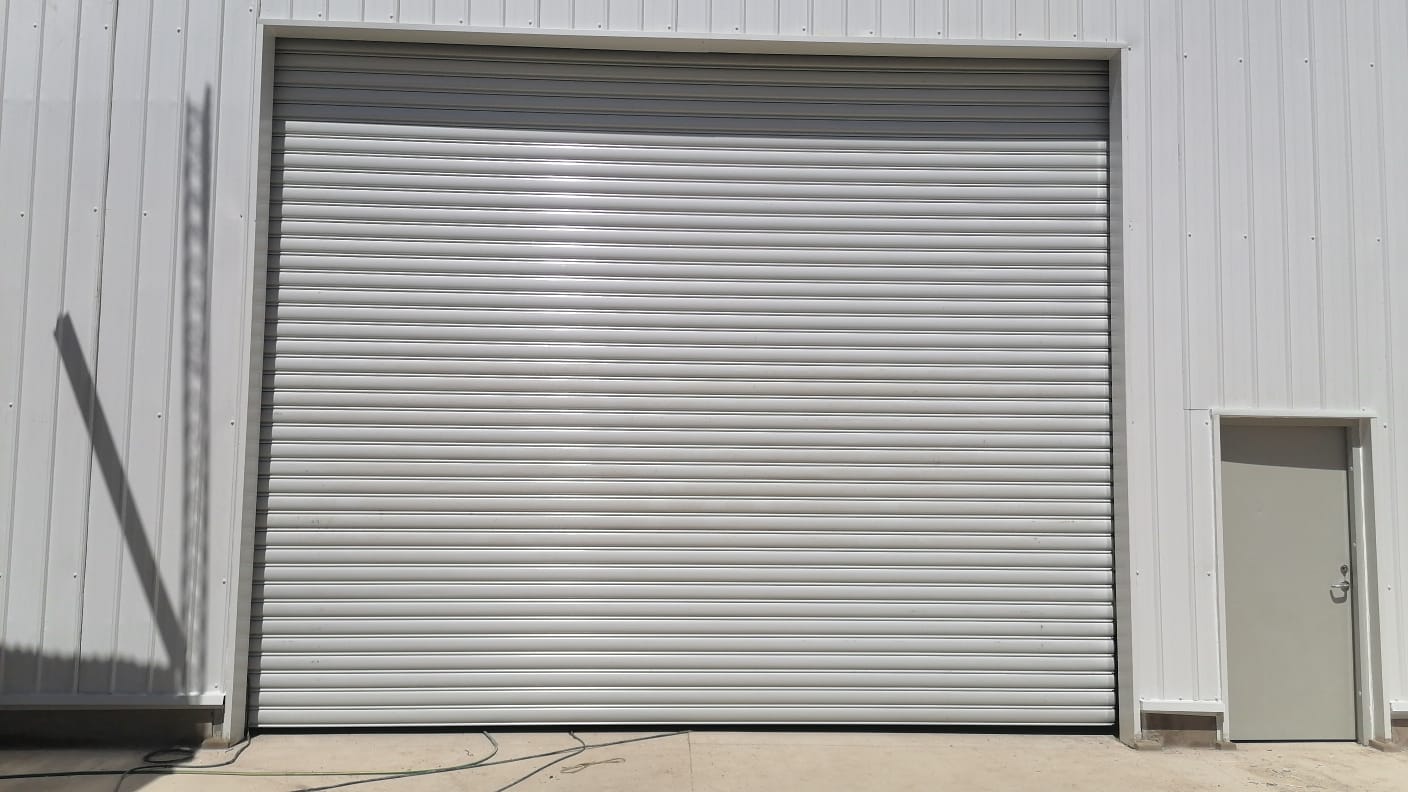
Electric Roller Shutter Doors
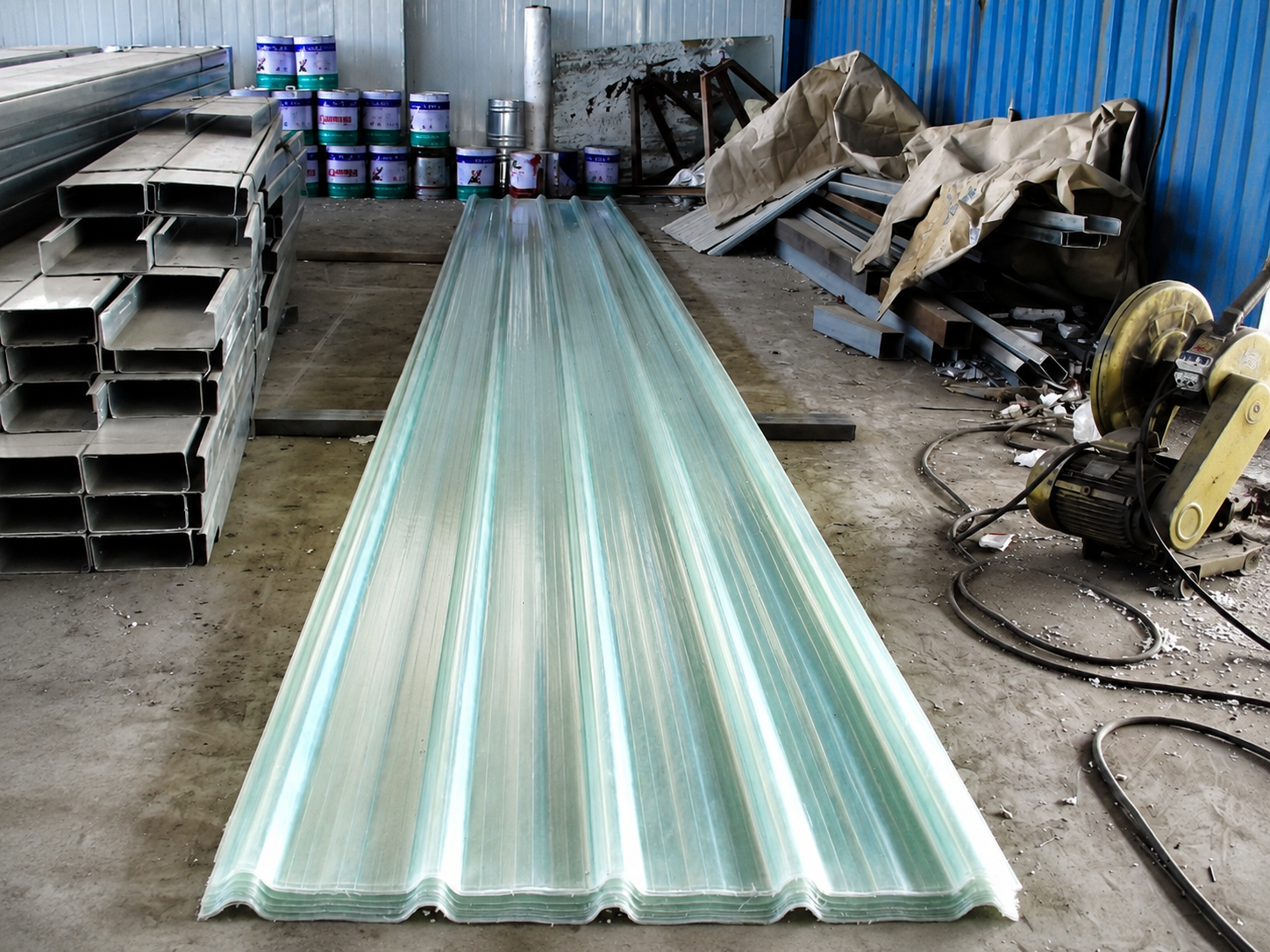
Drainage and Daylighting
Every part shown here is fabricated in-house and quality-checked before it ships.
Ask About Our Component SpecificationsEngineering Design & Technical Drawings
Our engineering team provides complete structural design documents
including layout drawings, steel frame drawings, roof plans
and connection details for each customized steel building project.
Foundation Layout
Detailed foundation and anchor bolt layout drawings for accurate on-site setting-out.
Main Steel Frame
Column and rafter framing plans showing bolted connections and structural spans.
Roof Structure
Roof truss and purlin arrangement drawings with slope and rainwater details.
Wall Panel Elevation
Elevation drawings showing wall panel placement, openings, and cladding layout.
Doors & Window Openings
Precise opening dimensions and reinforcement details for doors, windows, and louvers.
Connection Details
Bolted connection details for beams, columns, and bracing at every joint.
Every project ships with a complete drawing set — tell us your requirements and we'll prepare drawings for your building.
Leave Inquiry To Download Full Drawing PackageExplore More Overseas Steel Structure Projects
View additional warehouse and industrial steel building projects delivered for overseas clients with different building sizes, operational requirements, and local design conditions.
We've delivered projects like these to clients in over 50 countries.
See a Project Similar to YoursPacked and Loaded to Arrive in Assembly-Ready Condition
Our loading crews wrap, box, and secure every component to the standard our overseas partners expect, so your container opens to a building kit — not a repair job.
- Steel structure components are packaged with proper protective wrapping for ocean transit.
- Wall and roof panels are covered in plastic film to prevent scratching and moisture damage.
- Bolts and small accessories are boxed separately in wooden crates so nothing goes missing on site.
- Every shipment is packed to standard export specification and loaded into 40'HQ containers.
- Loading is handled by our own skilled crane and forklift operators, protecting your goods from the first lift to the last.
- Established relationships with multiple vessel companies keep your shipment moving on schedule.
We handle export documentation and can advise on container counts for your project.
Check Shipping Costs to Your CountryA Nine-Step Erection Sequence Your Crew Can Follow Without Guesswork
Because every column, beam, and panel is pre-cut and pre-drilled at our factory, your on-site team follows the same nine-step sequence on every project — cutting erection time, avoiding on-site rework, and getting the building weathertight sooner.
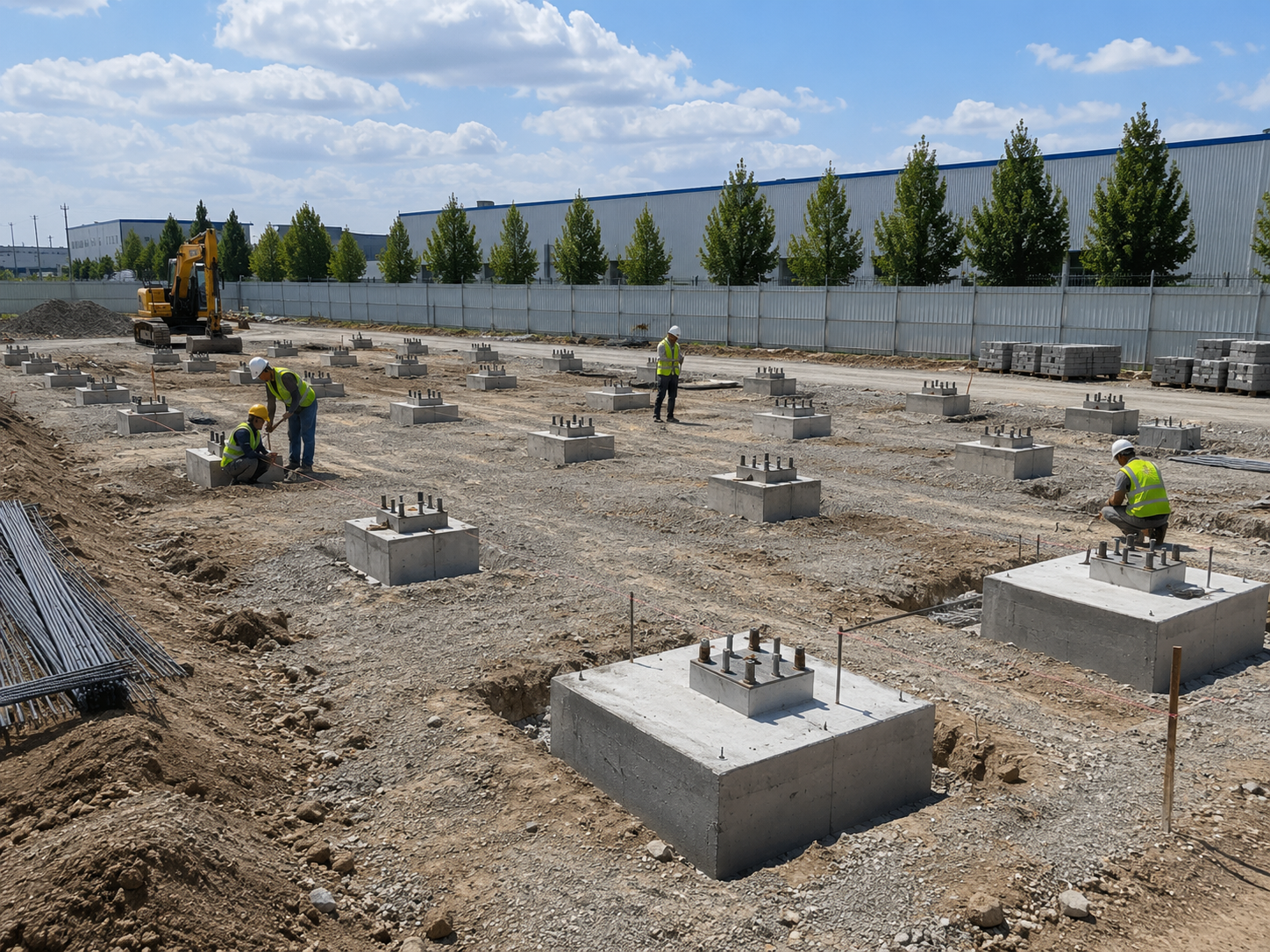
Column Foundation
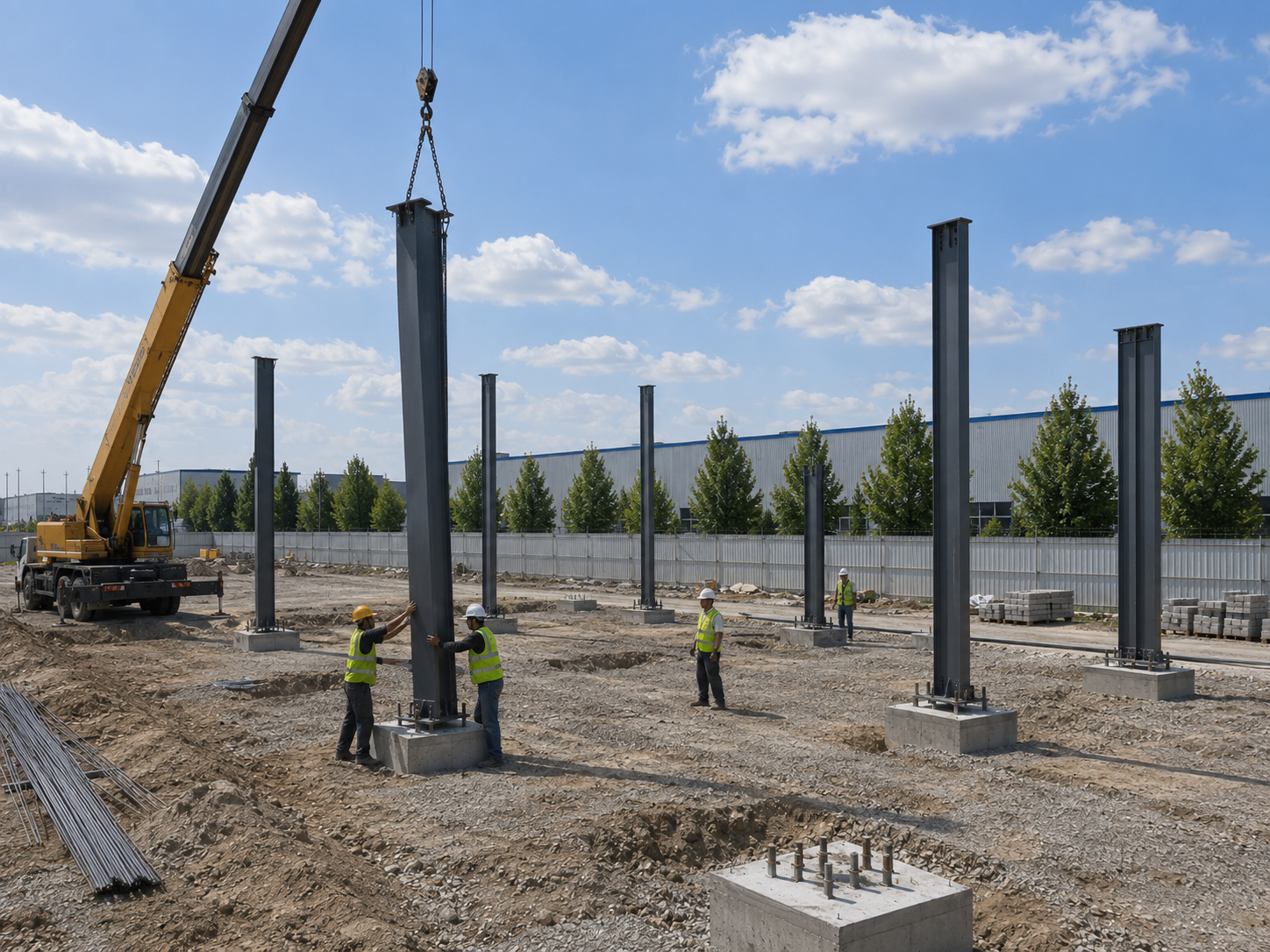
Steel Column Installation
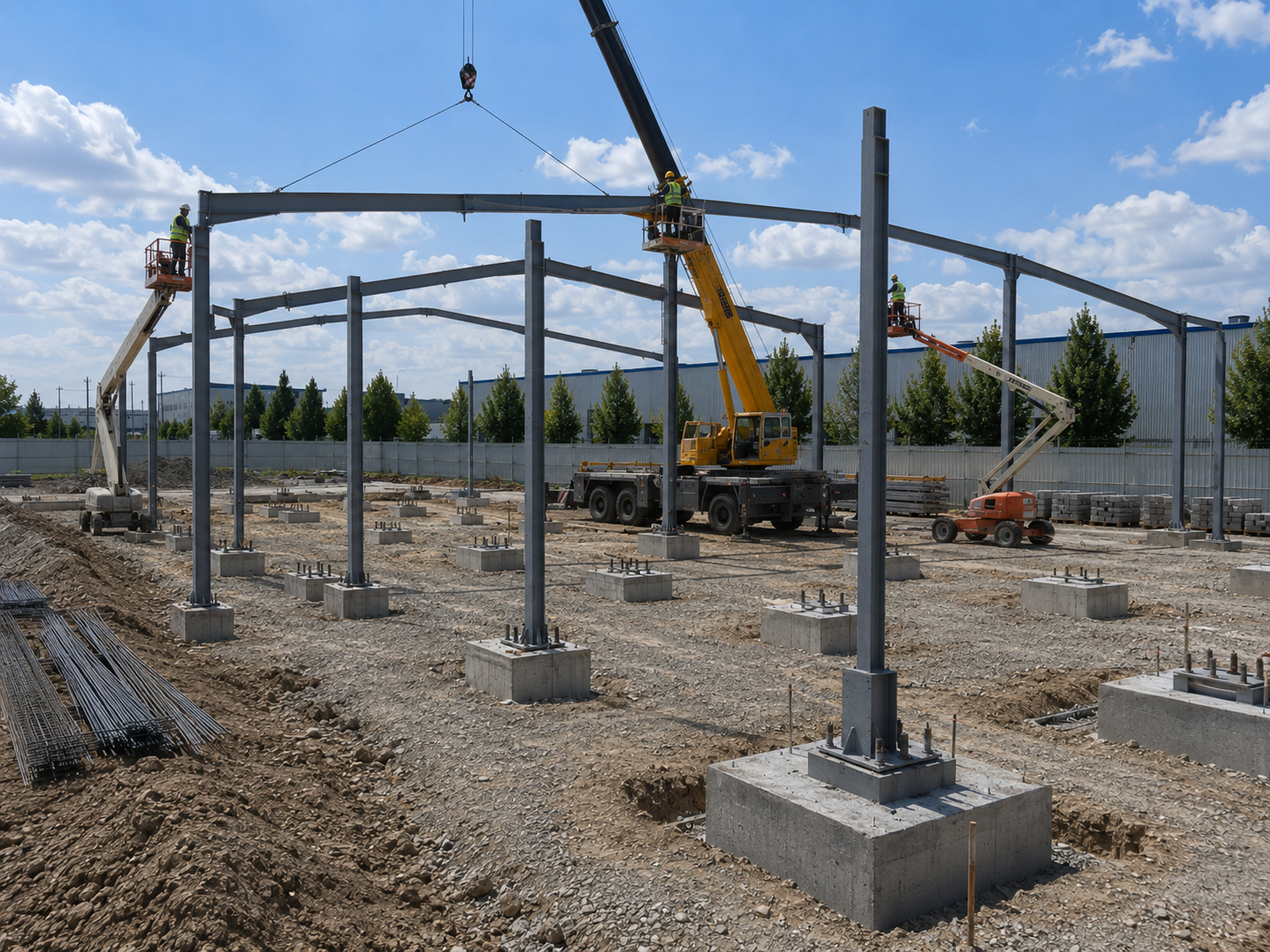
Steel Beam Installation
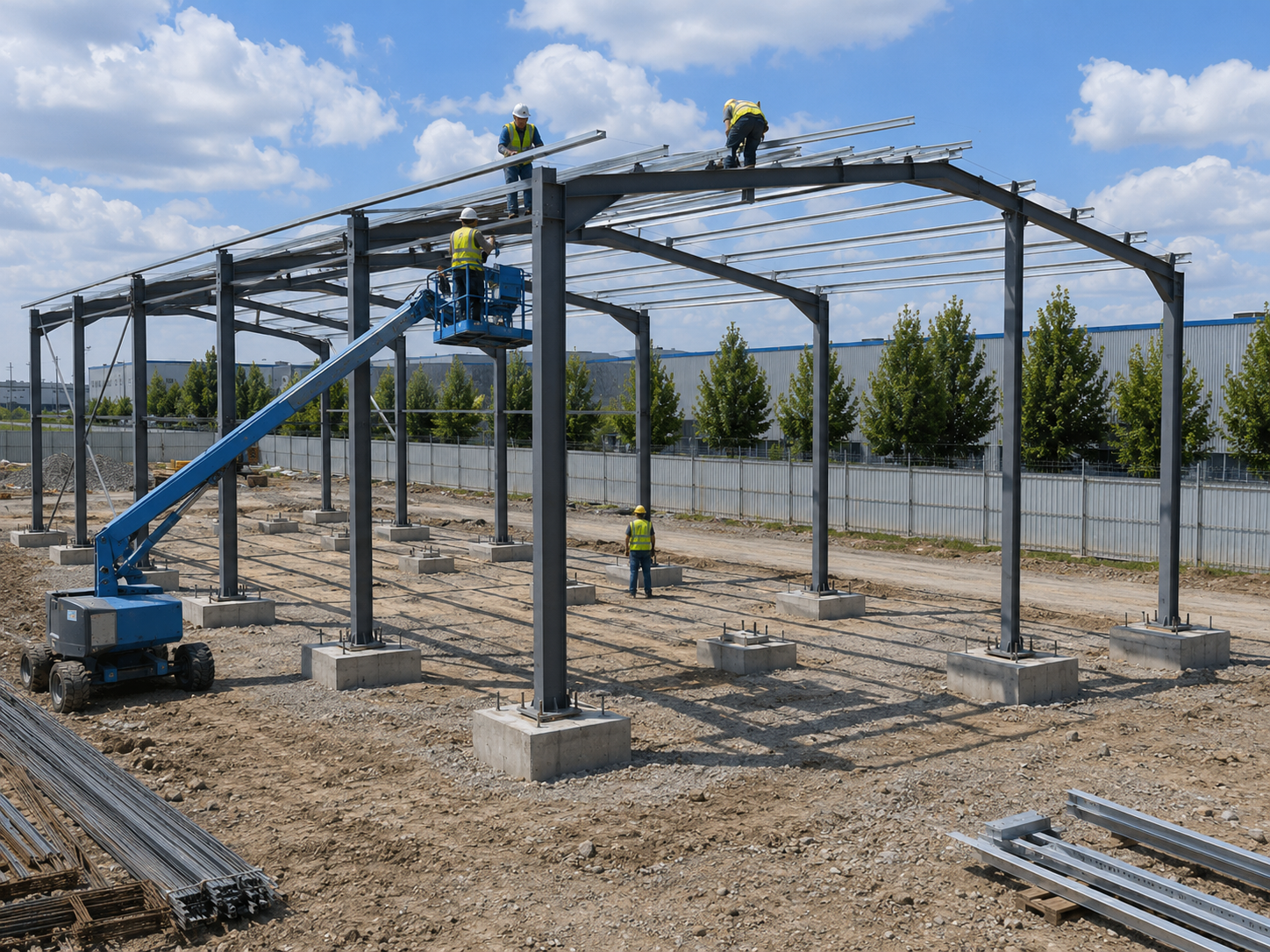
Purlin Installation
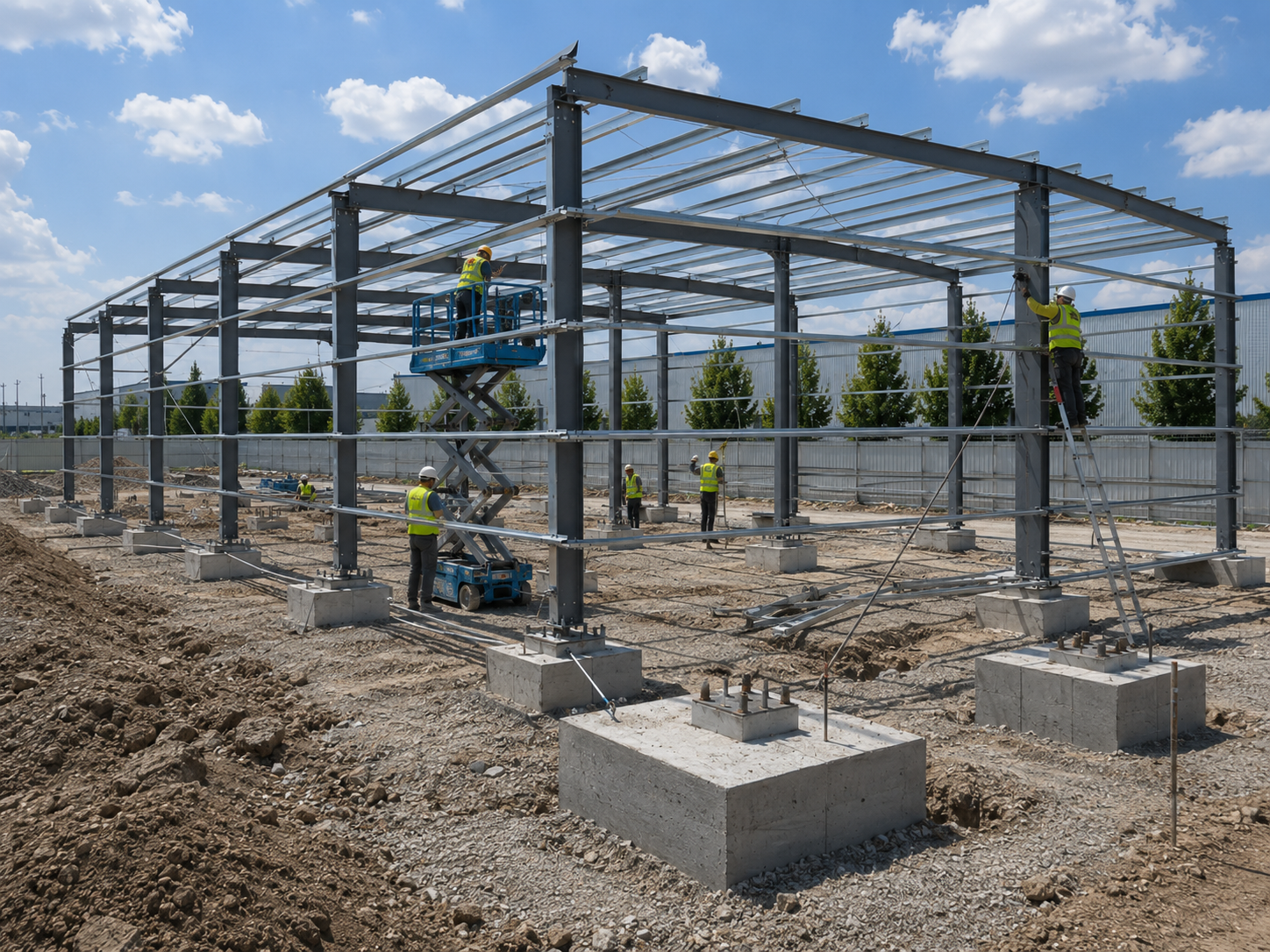
Secondary Steel Installation
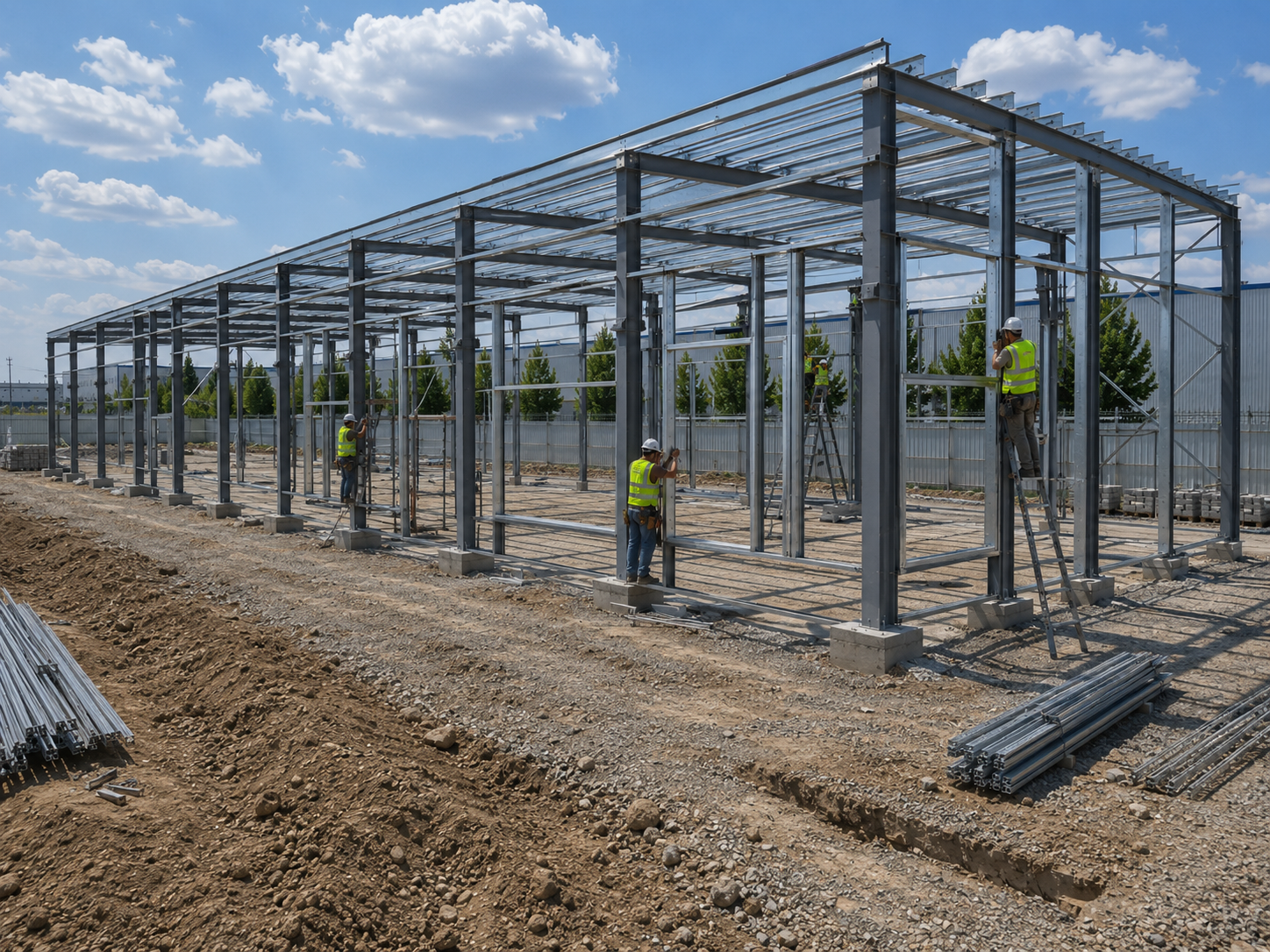
Door & Window Frame Installation
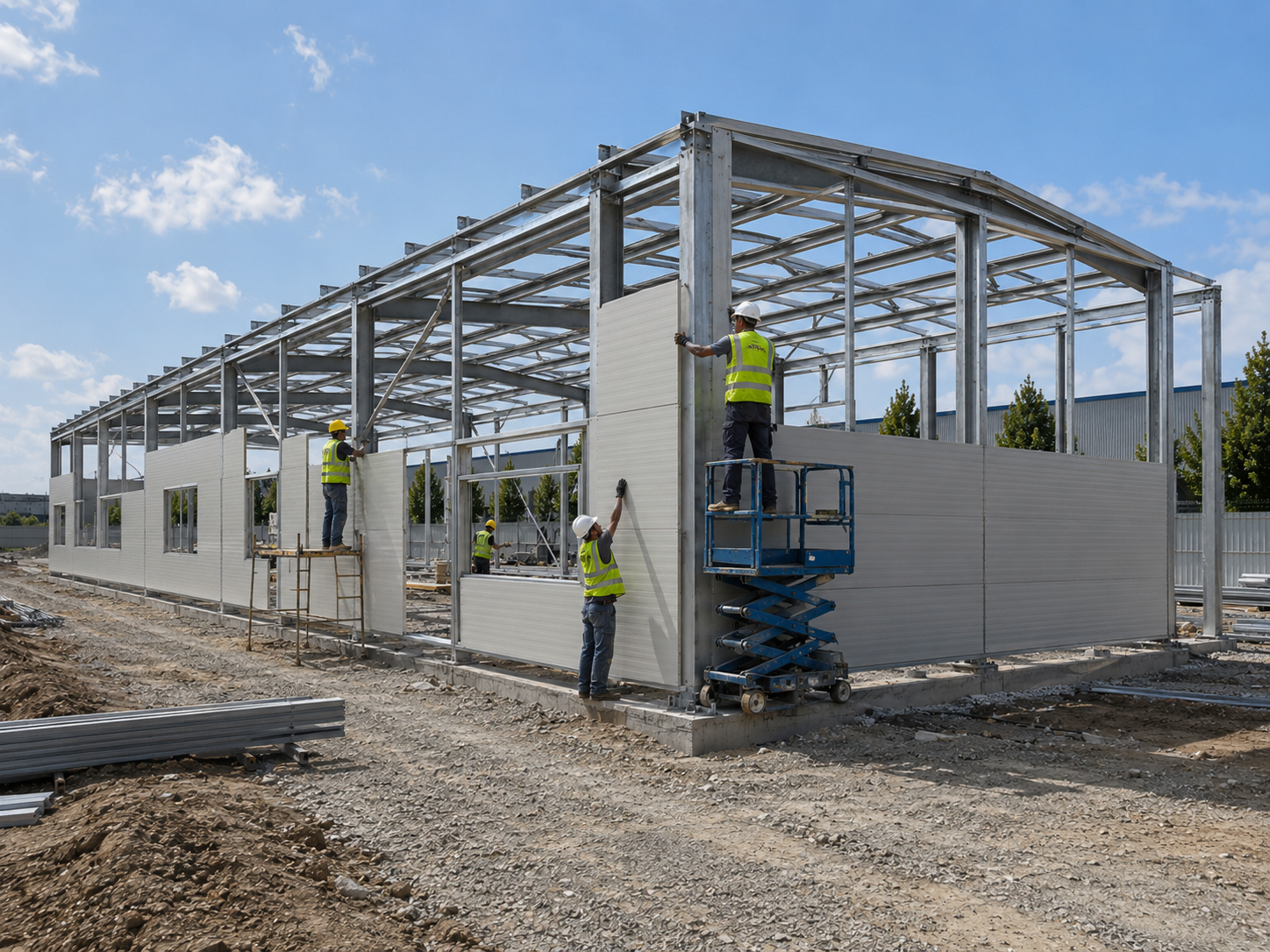
Wall Panel Installation
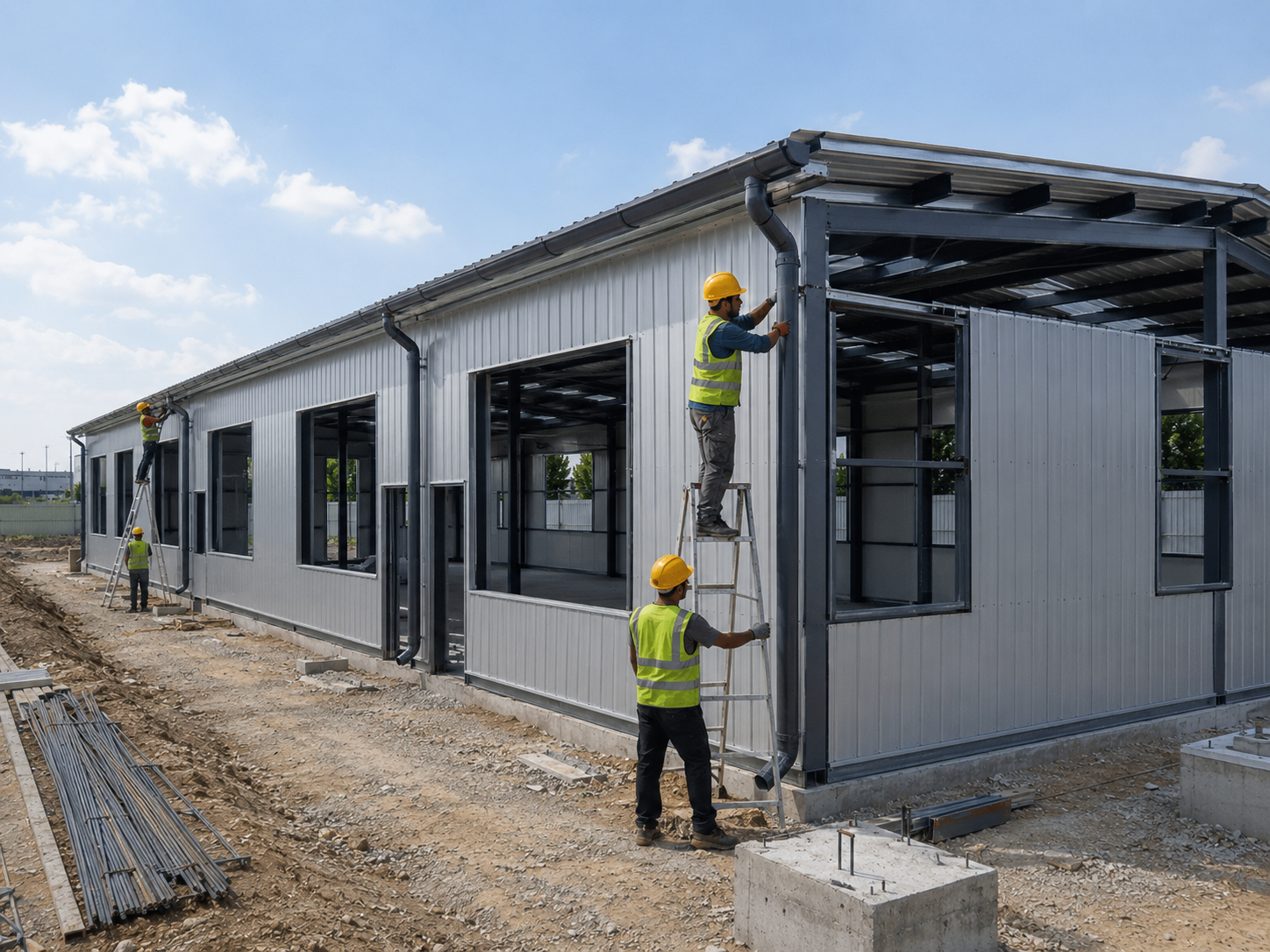
Gutter & Downpipe Installation
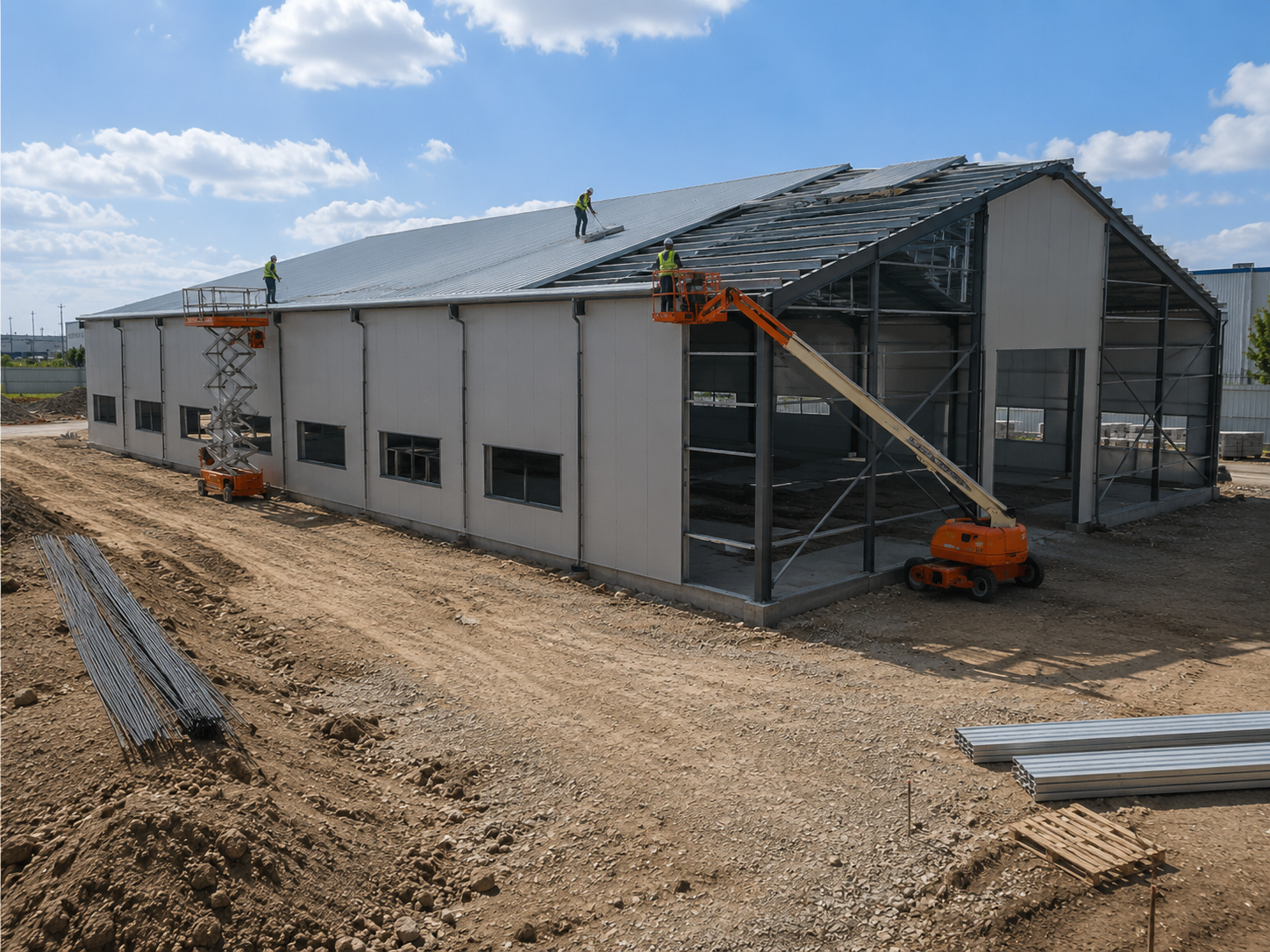
Roof Panel Installation
We can supply a full installation manual or an on-site supervision team.
Get an Installation Timeline for Your SiteNine Details Are All Our Engineers Need for an Exact Quote
Skip the back-and-forth: share these nine points up front and our team returns a firm price and structural drawing — not a rough estimate — usually within one business day.
- Project Progress — Has the land been purchased, and is the project licensed by the local government?
- Usage — Warehouse, workshop, showroom, or another use?
- Location — Which country will the building be constructed in?
- Local Climate — Wind speed and snow load (maximum wind speed) for the site.
- Design — Do you have design drawings, or do you need us to design the building for you?
- Dimensions — Length × width × height.
- Crane Beam — Do you need a crane beam inside the steel structure?
- Roof & Wall — Preferred panel material, such as color steel panel or metal sandwich panel.
- Windows & Doors — Material, quantity, and type required.
The more details you share, the faster and more accurate your quotation will be.
Send These Details NowFrequently Asked Questions
The warehouse covers 4,320 m², with recorded dimensions of 72 m in length and 60 m in width. The eave height is 6 m and the ridge height is 9 m.
The project used a portal-frame steel structure with welded H-section steel columns and beams. Q355B steel was specified for the primary structure.
Both the roof and wall systems used double-layer color-coated steel sheets combined with glass wool insulation.
The recorded project requirements included a reference wind speed of 150 km/h, no snow condition, and a Grade 7 seismic requirement.
The shipment was arranged through Qingdao Port using 10 containers: 3 × 40HQ and 7 × 40OT.
The warehouse was installed by the client's local team, with an approximate installation period of two months.
Still have questions about your project? Our engineers are ready to help.
Ask Us Your QuestionPlanning a Steel Warehouse Similar to This Bolivia Project?
Share your project location, required building size, intended use, and local design conditions. Our team can review your requirements and develop a steel structure warehouse solution based on your specific project parameters.
- Project-specific structural design
- Roof and wall system configuration
- Fabrication and export supply planning
- Container loading and shipping coordination
- Installation documentation based on project scope
Tell Us About Your Warehouse Project
Share your project details and receive a customized solution within 24 hours.